Building the Ideal Custom Produce Boxes: A Methodical Tutorial
Constructing custom produce boxes needs a strategic approach. Experts must assess environmental impact, practicality, and visual appeal. Picking the suitable components is essential for maintaining freshness and supporting environmentally conscious practices. Additionally, dimensions and shape can greatly influence usability and shipping efficiency. Compelling graphics enhance brand identity, while comprehensive testing guarantees durability. Grasping these elements will uncover key knowledge into creating standout container solutions that appeal to customers. What comes next is essential to achieving those goals.
Choosing the Right Components for Custom Produce Boxes
When selecting materials for custom produce boxes, it is vital to evaluate both functionality and environmental consideration. The selection of material substantially shapes the box's wear resistance, weight, and capacity to defend the contents. Common materials include corrugated cardboard, which offers strength and is recyclable, making it a popular choice for eco-conscious businesses. Biodegradable options, such as molded pulp or plant-based plastics, also align with sustainable practices while providing adequate protection for delicate produce.
In addition, moisture resistance is essential for maintaining freshness, prompting some creators to examine conditioned compounds or tailored protective barriers. The aesthetic appeal of the box should not be overlooked, as brand identity and visual communication can sway consumer perception. Ultimately, the right material should strike a balance between safeguarding products, appealing to customers, and following ecological standards, ensuring both functionality and sustainability are prioritized in the design process.
How to Choose Size and Shape for Functionality?
When determining the form and dimensions of custom produce boxes, careful assessment of produce dimensions is essential for effective storage. Additionally, attention to movement and transportation can affect the box design, ensuring ease of movement. Optimizing storage space utilization further improves functionality, enabling efficient display and storage.
Examine Produce Dimensions Carefully
Picking the ideal proportions and form for fruit containers is necessary for efficiency and effectiveness. Detailed assessment of produce size is critical, as it ensures that items fit securely without excess room that might lead to harm during transport or warehousing. Purpose-built boxes need to support various shapes, from delicate berries to bulky produce, while upholding strength. Moreover, the height and width of the boxes should promote stacking and systematic arrangement, utilizing space in warehouse zones. A skillfully made box not only protects the produce but also enhances visual appeal for purchasers. In conclusion, careful consideration of dimensions contributes to reducing waste and improving consumer satisfaction in the supply chain.
Think About Handling and Transport
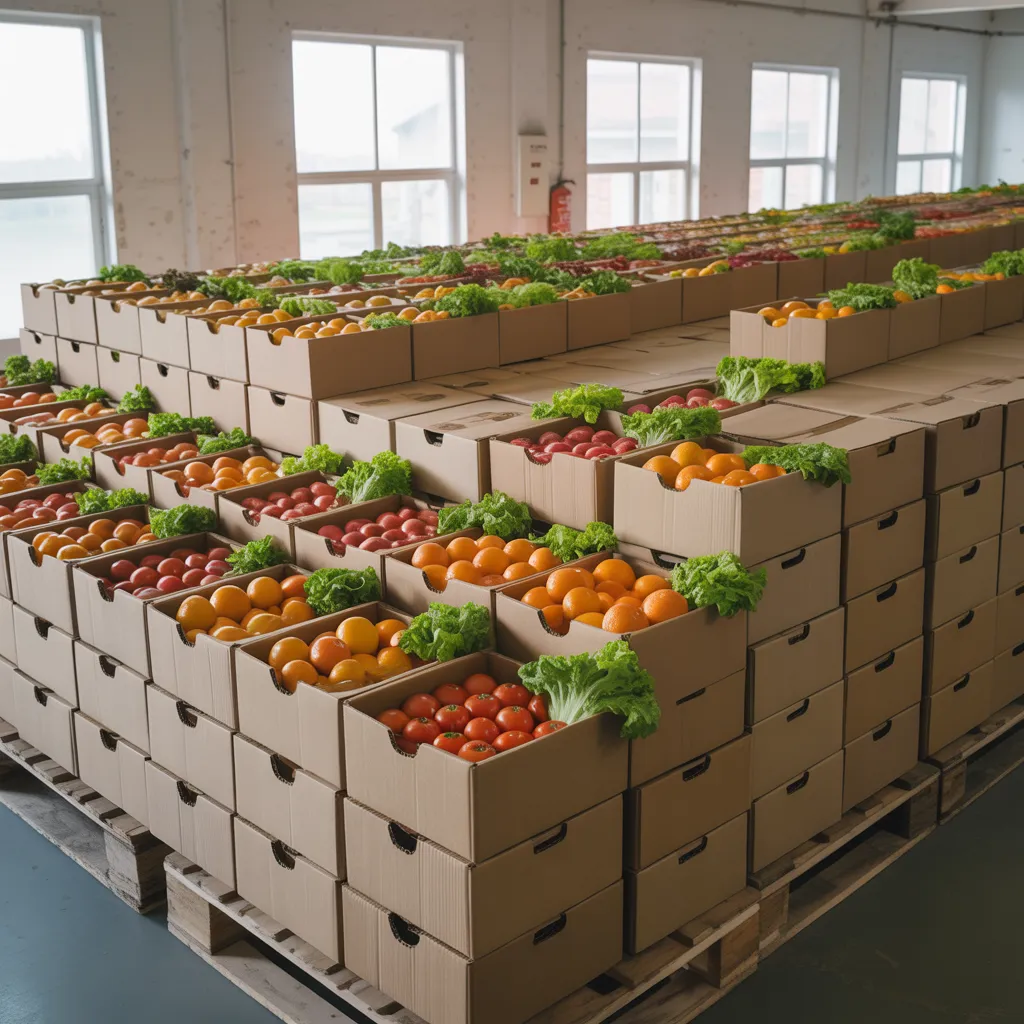
Handling and transport considerations play a significant part in determining the right size and configuration of custom agricultural containers. The measurements must accommodate the items with no excessive area, which might lead to shifting and damage in transit. Small boxes facilitate simpler handling, whereas big containers might prove necessary for bulkier items. Also, ergonomic design remains important; grip points or openings should get strategically situated in order to enable comfortable hoisting plus transport. The form relating to the container equally affects arrangement and steadiness, guaranteeing which goods remain secure. Ultimately, thorough thought regarding these components enhances the productivity of transport, minimizes item waste, and maintains the complete integrity concerning the fresh goods beginning at field to buyer.
Maximize Shelf Space Usage
Optimal shelf space usage comes down to selecting the ideal size and shape of bespoke produce boxes. Teams should examine the dimensions of the shelving units as well as the kinds of produce being stored. Rectangular boxes often advance space efficiency, facilitating for better stacking and alignment. However, varied forms can enhance attractive appearance but may produce excess space if not appropriately mapped out.
It's crucial to evaluate the inventory turnover rate; faster-moving items might benefit from compact, readily reachable containers. Additionally, incorporating flexible or customizable structures can support different dimensions of items while improving shelf organization. By emphasizing practical design combined with visual appeal, companies can develop a functional and attractive presentation that boosts both ease of access and item prominence.
How to Generate Visual Content That Attract Attention?
Engaging visuals can convert a simple custom produce box into a visual masterpiece that captures attention. To achieve this, designers should begin by choosing a color palette that showcases the vitality and vibrancy of the produce. Vibrant, striking colors can evoke sensations of freshness and wellness, driving consumers to take a closer look.
Strong typefaces remains crucial; readable typefaces can adeptly convey vital details while amplifying design value. Furthermore, applying excellent images of the products can create an immediate connection, revealing the product's quality and enticing prospective purchasers.
Furthermore, incorporating unique patterns or illustrations can help differentiate the brand in a crowded market. Alignment in design elements, such as logos and taglines, reinforces brand identity. Ultimately, a blend of creativity and clarity in graphic design can greatly elevate the impact of custom produce boxes, making them gain attention on shelves.
Eco-Friendly Practices for Personalized Produce Box Packaging Solutions
An increasing quantity of companies are adopting environmentally sustainable practices for custom produce box packaging, acknowledging its importance in today's environmentally conscious market. These approaches often encompass the use of biodegradable materials, such as recycled paper and plant-based plastics, which reduce environmental impact. Companies are also focusing on responsible material sourcing, guaranteeing that materials are obtained from responsibly managed forests or suppliers who prioritize environmental stewardship.
In turn, numerous brands are going with minimalistic designs that reduce waste while still effectively displaying their products. This approach not only resonates with environmentally aware consumers but also helps in lowering production costs. Moreover, businesses are increasingly adopting efficient manufacturing processes that limit energy consumption and waste generation. By incorporating these green practices, companies not only improve their brand image but also contribute positively to the planet, positioning their operations with a sustainable future.
Testing Your Custom Produce Box Layout
Testing the design of custom produce boxes is an crucial step in guaranteeing they meet both visual and practical needs. This procedure typically includes assessing factors such as strength, size, and user-friendliness. First, prototypes should be created to assess the container's physical stability, ensuring it can endure shipping and storage without damaging the contents.
Subsequently, functional tests can be implemented to establish how easily the boxes can be opened, closed, and stacked. Input from future users can be vital in this step, communicating insights into the box's practical value.
Moreover, the design's visual appeal should be tested through focus group discussions or customer surveys, determining customer feedback to brand identity elements, hues, and complete visual presentation.
Ultimately, thorough evaluation enables designers to refine the box, ensuring it not only attracts customers but also effectively protects and showcases the produce within, maintaining the right balance between form and function.
Advertising Your Bespoke Produce Boxes Successfully
Effective advertising of personalized produce boxes requires a strategic approach that stresses their unique pertinent information features and benefits. Organizations should prioritize determining their target audience, such as local farms, grocery stores, or individual consumers. Harnessing social media platforms can boost market visibility, showcasing the boxes' design and practicality through compelling visuals and storytelling.
In addition, joining forces with regional personalities and growers can reinforce credibility and amplify reach. Launching bargains or markdown offers during seasonal peaks can appeal to debut patrons and motivate repeat business.
Moreover, stressing sustainability and eco-friendliness in marketing materials can connect with environmentally conscious consumers. Supplying detailed information about the composition of materials and the benefits of personalized packaging options can better position the item in an increasingly competitive landscape.
In the end, a detailed promotional approach that blends digital and community-based undertakings will efficiently promote custom produce boxes, engaging a wide-ranging clientele and increasing sales.
Often Asked Queries
What Fees Accompany Custom Produce Box Design?
Expenses part of custom produce box design consist of materials, printing, labor requirements, and delivery costs. In addition, design expertise and batch minimums can affect total expenses, causing variable pricing based on individual requirements and production scale.
How Much time Does Production of Custom Boxes Take?
The production of personalized packaging typically takes between two to six weeks. Elements influencing this schedule consist of intricacy of design, availability of materials, and manufacturing capacity, all of which can affect delivery schedules and lead times.
May I Place an Order for a Minimal Quantity of Bespoke Produce Boxes?
Yes, modest amounts of custom produce boxes can typically be purchased. Many suppliers provide base order requirements, enabling companies or people to obtain customized packaging options without needing to commit to substantial volumes at first.
What Are Common Errors to Avoid in Custom Box Design?
Common pitfalls in custom box design include failing to address functionality, ignoring brand consistency, downplaying material quality, failing to consider target audience preferences, and neglecting environmental impact. Each aspect is essential for effective packaging and customer satisfaction.
How Do I Confirm That My Boxes Comply with Food Safety?
To confirm boxes are suitable for food, one needs to opt for materials certified for food contact, steer clear of toxic inks and adhesives, maintain cleanliness during production, and periodically assess for compliance with health regulations and safety standards.